
אמנת המס ישראל ארצות הברית – הטבות, מגבלות ומה שחשוב לדעת בפועל
אמנת המס ישראל ארצות הברית (US-Israel Tax Treaty) היא מסמך משפטי מחייב שנחתם בשנת 1975, תוקן בפרוטוקולים משנת 1980 ו-1993, ונכנס לתוקף בשנת 1995. האמנה נועדה לסייע בפתרון מצבי מס חוצי-גבול, אך אינה מבטלת כפל מס באופן אוטומטי. התוצאה המעשית תלויה במעמד הנישום, בסוג ההכנסה, במקורה ובסעיף המדויק שעליו מבקשים להסתמך. לפרטים נוספים על הדיווח האמריקאי הכולל, ראו את מדריך FBAR המלא ואת דף שירותי המס שלנו.
—
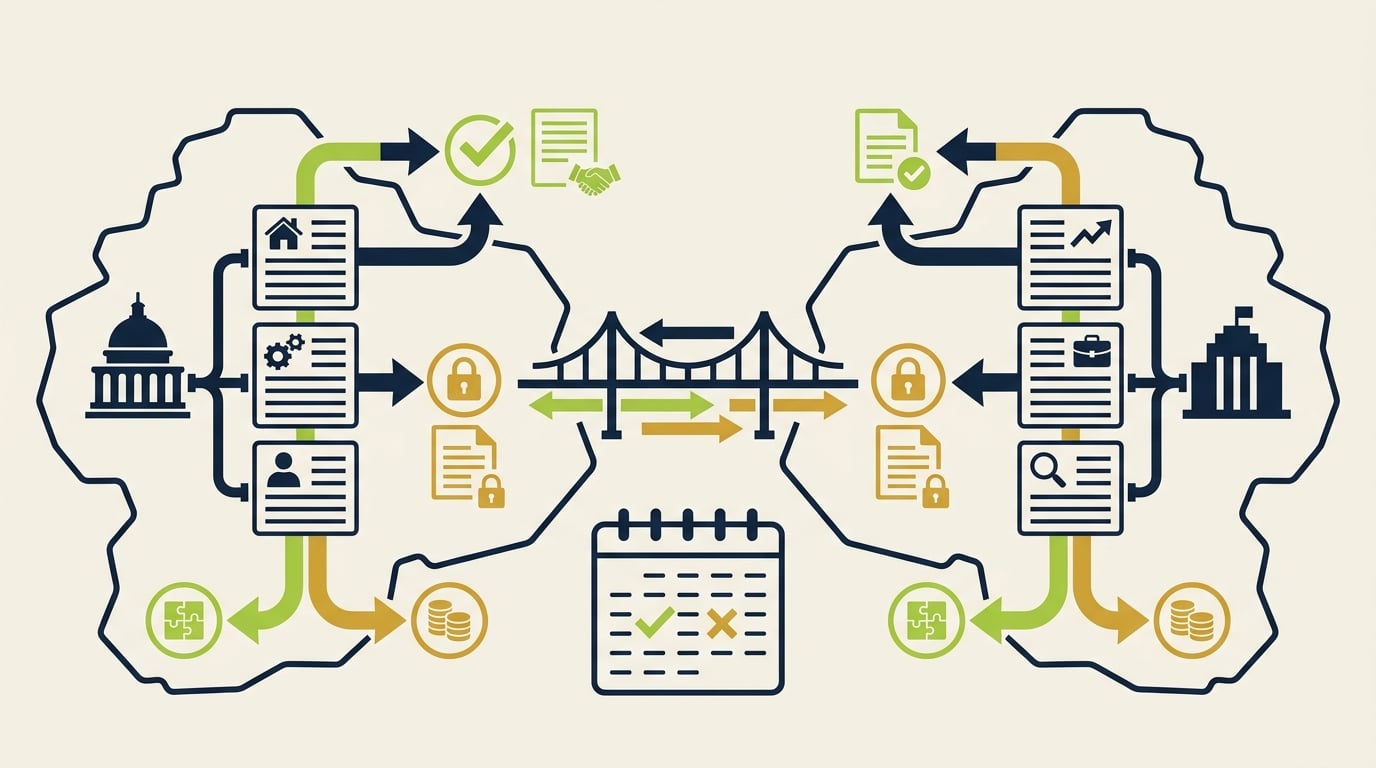
!אמנת המס ישראל ארצות הברית – תרשים הסבר ויזואלי תמונה: מבנה אמנת המס ישראל ארצות הברית – קטגוריות הכנסה, סעיף השמירה וזיכוי מס זר. Alt: אמנת המס ישראל ארצות הברית – תרשים הסבר על קטגוריות הכנסה ומנגנוני הקלת מס.

—
אמנת המס ישראל ארצות הברית – רקע ועקרונות יסוד
האמנה פועלת על בסיס עקרון דו-צדדי: כל מדינה שומרת על זכותה למסות את תושביה ואזרחיה בהתאם לדיניה הפנימיים, אלא אם האמנה מגבילה זכות זו במפורש. לכן, הבנת גבולות האמנה חשובה לפחות כמו הבנת הטבותיה.
נישומים רבים טועים להניח שעצם קיום האמנה מבטל את חובות המס בארצות הברית. בפועל, האמנה אינה מחליפה את הדין האמריקאי – היא פועלת לצידו. יש לקרוא כל סעיף באמנה יחד עם הדין הפנימי של כל מדינה ועם כללי מניעת כפל המס הרלוונטיים.
הוראות האמנה מתפרשות על-ידי רשות המס האמריקאית (IRS) ובתי המשפט בהתאם לכללי הפרשנות הנהוגים בדין הבינלאומי ובדין האמריקאי הפנימי. לסקירה מקיפה של מערכת היחסים בין ישראל לארה"ב בתחום המס, ראו את המדריך המקיף לאמנת המס ישראל-ארה"ב באתרנו.
—
סעיף השמירה (Saving Clause) – מה הוא אומר בפועל?
סעיף 6(3) לאמנה כולל את סעיף השמירה. ככלל, הוא מאפשר לארצות הברית למסות את אזרחיה ותושביה כאילו האמנה אינה בתוקף. לכן, אזרח או תושב ארצות הברית שמקבל הכנסה מישראל אינו יכול להניח שסעיף באמנה מבטל לבדו את חובת הדיווח או המס בארה"ב.
סעיף 6(4) מגדיר חריגים מסוימים לסעיף השמירה:
- מענקים ותרומות לצדקה
- תשלומי ביטוח לאומי (Social Security)
- הקלה מכפל מס
- אי-אפליה והליך הסכמה הדדית
- חריגים מוגבלים לתפקידים ממשלתיים, מורים, סטודנטים, מתמחים ונציגים דיפלומטיים
פנסיות דורשות בדיקה נפרדת. לאמנה יש סעיף העוסק בפנסיות, אך פנסיות אינן מופיעות ברשימת החריגים הכללית לסעיף השמירה. תוצאת המס על פנסיה ישראלית יכולה להשתנות לפי אזרחות, תושבות, סוג התוכנית ואופי התשלום. אין לומר באופן גורף שהאמנה פוטרת הכנסה מפנסיה ישראלית ממס בארה"ב. למידע על ביטוח לאומי אמריקאי, עיינו באתר ה-SSA הרשמי.
—
הקלה מכפל מס – זיכוי מס זר ומה שמגביל אותו
סעיף 26 לאמנה עוסק בהקלה מכפל מס, לרבות הקשר בין מס ששולם בישראל לבין מערכת זיכוי המס הזר (Foreign Tax Credit) בארצות הברית. זיכוי מס זר עשוי להפחית מס אמריקאי על אותה הכנסה, אך כפוף לכללי מקור, סיווג, עיתוי ומגבלות לפי הדין האמריקאי.
חשוב להבין: זיכוי מס זר אינו קיזוז אוטומטי ומלא בכל מקרה. גם כאשר הזיכוי מפחית או מבטל את המס לתשלום, חובות הדיווח עשויות להישאר בתוקף. לפירוט מלא על מנגנון זיכוי המס הזר, ראו את המדריך לזיכוי מס זר באתרנו.
האמנה כוללת כללים לגבי דיבידנדים, ריבית, תמלוגים, רווחי הון, הכנסת עבודה וסוגי הכנסה נוספים. חלק מהסעיפים מגבילים את המס במדינת המקור. ניכוי מופחת בישראל אינו מבטל כשלעצמו את חובת הדיווח בארצות הברית – יש לבחון יחד את שיעור האמנה ואת תוצאת הזיכוי. ניתן לעיין בהנחיות ה-IRS לגבי טופס 1116 (Foreign Tax Credit) ולמידע על הגשת הטפסים הרלוונטיים.
—
טבלת סיכום – קטגוריות הכנסה עיקריות ויחסן לאמנה
| קטגוריית הכנסה | מגבלת ניכוי במקור | תחולת סעיף השמירה | חובת דיווח בארה"ב | זכאות לזיכוי מס זר |
|---|---|---|---|---|
| דיבידנדים | שיעור מופחת לפי הסעיף | חלה בדרך כלל | כן | בדרך כלל כן |
| ריבית | שיעור מופחת לפי הסעיף | חלה בדרך כלל | כן | בדרך כלל כן |
| תמלוגים | שיעור מופחת לפי הסעיף | חלה בדרך כלל | כן | בדרך כלל כן |
| רווחי הון | הסדר לפי סעיף ספציפי | חלה בדרך כלל | כן | תלוי בנסיבות |
| הכנסת עבודה | כפוף לכללי תושבות | חלה בדרך כלל | כן | בדרך כלל כן |
| פנסיה ישראלית | ניתוח נפרד נדרש | לא חריג כללי | כן (בדרך כלל) | תלוי בסוג התוכנית |
| ביטוח לאומי | חריג מפורש בסעיף 6(4) | חריג חל | כן | חריג חלקי |
| תשלומים ממשלתיים | חריגים מוגבלים לפי תנאים | חריג חלקי | תלוי בנסיבות | תלוי בנסיבות |
| מלגות ומענקים | חריג מפורש בסעיף 6(4) | חריג חל | תלוי בתנאים | לא תמיד רלוונטי |
| הכנסה עסקית | קשורה למוסד קבע (PE) | חלה בדרך כלל | כן | בדרך כלל כן |
הערה: הנתונים בטבלה הם כלליים בלבד. כל מקרה דורש בדיקה פרטנית לפי נוסח האמנה והדין האמריקאי החל.
—
תושבות לצורך האמנה, הגבלת הטבות ומקרים שכיחים
תושבות לצורך האמנה נקבעת לפי סעיף 3, לרבות כללי הכרעה (Tie-Breaker Rules) ליחיד שעשוי להיחשב תושב של שתי המדינות. גורמים כמו מרכז חיים, בית קבע ומשך שהייה בכל מדינה עשויים להכריע את התוצאה הסופית.
סעיף 25 כולל את כללי הגבלת ההטבות (Limitation on Benefits – LOB), שנועדו למנוע שימוש לא ראוי באמנה ("treaty shopping"). אזרחות, גרין קארד או קשרים כלכליים לבדם אינם הוכחה אוטומטית לזכאות להטבות האמנה.
מקרים שכיחים הדורשים ניתוח תושבות מעמיק
להלן מצבים נפוצים שבהם שאלת התושבות הופכת מורכבת:
- ישראלים המחזיקים גרין קארד אמריקאי ומתגוררים בישראל – האם מרכז חייהם בישראל?
- אזרחים אמריקאים שעלו לישראל ומחזיקים בתושבות ישראלית מלאה
- בעלי אזרחות כפולה (ישראלית-אמריקאית) הנדרשים לבחון מרכז חיים, בית קבע ואינטרסים כלכליים
- סטודנטים ועובדים שעוברים בין המדינות ומשנים תושבות באמצע שנת המס
- יזמים וחברות הפועלות בשתי המדינות בו-זמנית – שאלת מוסד הקבע (Permanent Establishment)
דוגמה מעשית: אזרח ישראלי-אמריקאי המתגורר בתל אביב, עובד כשכיר בחברה ישראלית ומקבל הכנסה של 200,000 ₪ לשנה, עדיין חייב להגיש דוח מס שנתי לארצות הברית. כלל ה-Saving Clause מונע מהאמנה לפטור אותו מחובה זו, אם כי זיכוי המס הזר עשוי להפחית את המס לתשלום בפועל לאפס – אך חובת ההגשה נשארת בעינה.
בכל אחד מהמקרים הללו, אין לקבוע עמדת אמנה ללא ייעוץ מקצועי. לייעוץ אישי, פנו אלינו דרך דף יצירת הקשר שלנו.
—
גילוי חשבונות זרים, FATCA וחובות דיווח נוספות
האמנה אינה פוטרת מחובות דיווח על חשבונות בנק ונכסים פיננסיים מחוץ לארצות הברית. אמריקאים המתגוררים בישראל ומחזיקים בחשבונות ישראליים עשויים להיות חייבים בדיווח לפי שתי מערכות נפרדות ומצטברות:
FBAR (FinCEN Form 114) – דיווח על חשבונות זרים לרשות FinCEN. הסף לחובת הגשה הוא 10,000 דולר מצטברים בחשבונות זרים בכל עת במהלך